March Madness Survey Reveals Fans Have Almost No Patience for Buffering During Live Sports
As more fans stream the tournament, frustration with buffering reaches a breaking point

Feb 26, 2026 | Share 


Data and Research, Trends
March Madness is built on millions of fans tuning in to watch buzzer-beaters, Cinderella runs, last-second free throws, historic upsets, and championship moments unfold in real time. Most fans won’t be watching from packed arenas. They’ll be streaming from living rooms, offices, sports bars, and restaurants across the country.
Only 27% of Americans say they still subscribe to cable for live sports, with more fans turning to streaming platforms to catch the games. As streaming gains ground in live sports, expectations for internet performance are rising.
How fans react when the stream fails during a big game
When buffering strikes in crunch time, emotions run high.
- 62% would feel high frustration or outright outrage
- 19% would react with immediate anger
- 24% would feel mild annoyance and wait
- 10% would check the score later
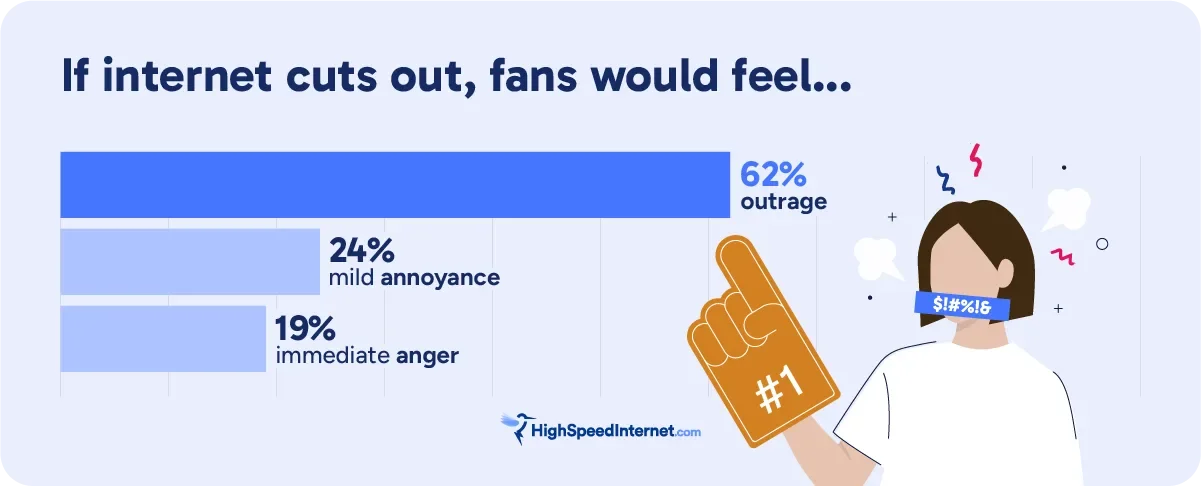
For most fans, losing the stream during a pivotal moment isn’t a minor inconvenience—it disrupts the real-time experience they expect from live sports.
The moments fans refuse to miss
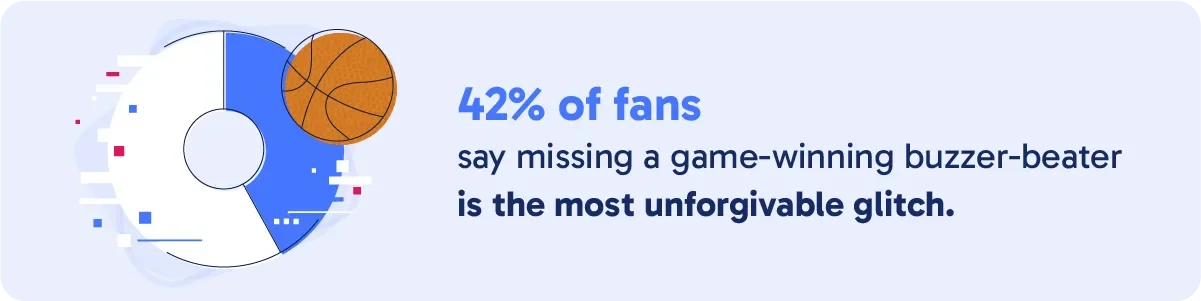
Technical glitches are still part of the modern streaming experience, but not all interruptions carry the same weight. While 42% of fans say missing a game-winning buzzer-beater or historic upset would be the most unforgivable glitch, another 28% say losing the final minutes of a tight matchup would be just as frustrating.
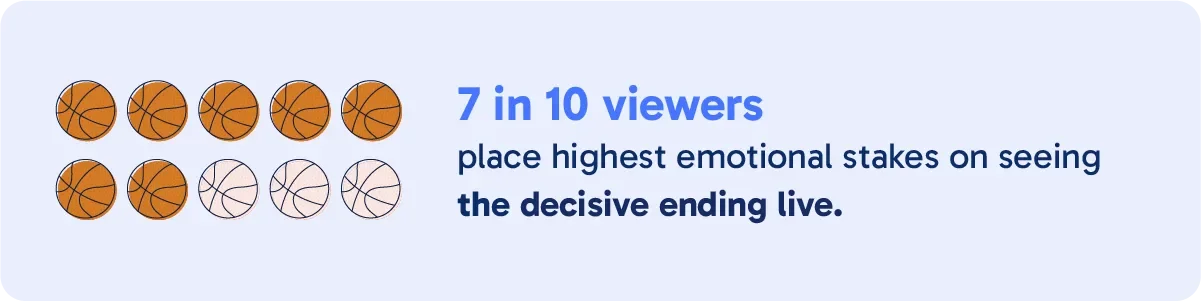
In total, more than 7 in 10 viewers place the highest emotional stakes on seeing the decisive ending unfold live. By contrast, far fewer fans say they’d be most upset about missing bracket updates, switching between games, or following social media reactions—features that enhance the experience but don’t define it. For most viewers, the tournament still comes down to the final play.
How buffering impacts internet service provider loyalty
Frustration doesn’t always stop at the screen. Many viewers say repeated buffering would make them rethink their internet provider. In fact, 43% say it would take only one or two glitches to consider switching. That includes 4% who say they have zero tolerance and would start looking after a single incident, and another 29% who say two interruptions would be enough.
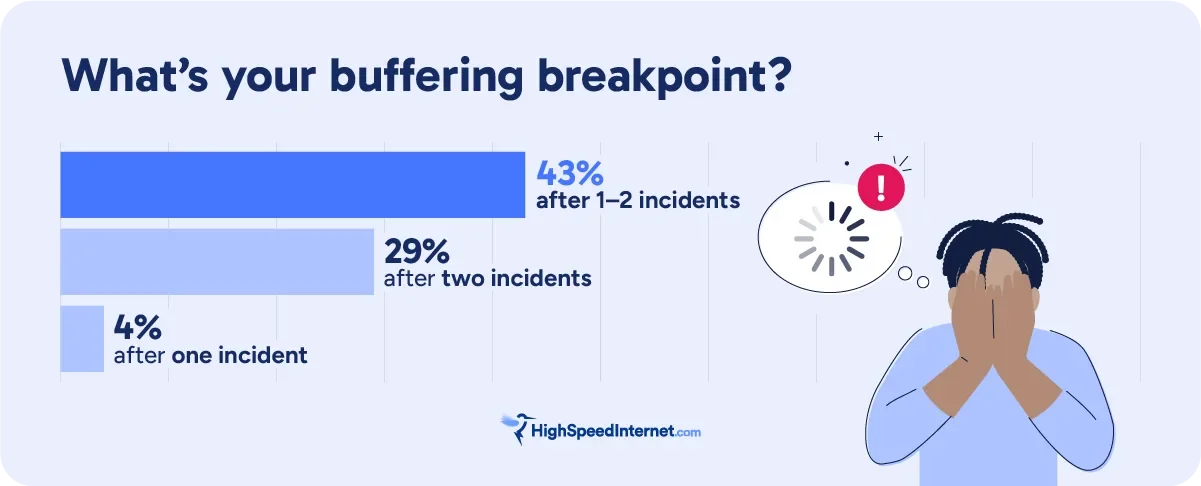
At the same time, some customers are more locked in. About 21% say they wouldn’t consider switching, no matter how much buffering they experience, likely due to contracts, limited provider options, or the hassle of making a change. Still, the broader takeaway is clear. While loyalty hasn’t disappeared, many consumers now expect near-perfect performance when streaming live sports.

Tired of buffering during crunch time?
If buffering keeps calling unwanted timeouts during crunch time, it’s time to up your game. Enter your ZIP code to find a new home internet provider in your area.
The rise of the spoiler problem
Streaming delays introduce a familiar frustration for sports fans: finding out what happens before it appears on screen. In an era of group texts and instant social media reactions, even a brief lag can turn a game-winning shot or dramatic upset into a spoiler instead of a surprise.
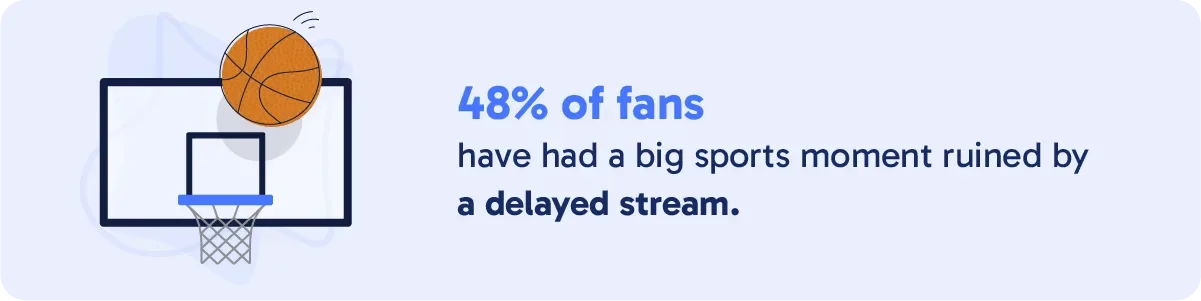
Nearly 50% of viewers say they’ve experienced this firsthand. For fans who are fully invested in games like March Madness, a reliable, high-speed internet connection isn’t optional. It’s what keeps them from missing the biggest moments when the stakes are highest.
How to prep your internet before tip-off
Before the tournament begins, it’s worth checking your connection to make sure you’re getting the speeds you need for smooth streaming.
Run a speed test for the second screen
A quick speed test can help confirm whether your current plan is delivering the bandwidth required to handle a 4K stream while several guests are simultaneously browsing brackets on their phones. Remember, the spoiler problem often starts on the device in your end, so ensuring your Wi-Fi can handle multiple devices at once is key to keeping everyone in sync. See our list of the best Wi-Fi 7 routers for ideas if you’re in dire need of an upgrade.
Optimize for the final two minutes
If your speeds are coming up short, small adjustments, like moving your router to a more central location or upgrading older equipment, can help reduce the risk of a high-frustration outage during a close game. For the most stable connection, consider using a wired Ethernet cable for your primary TV to bypass Wi-Fi interference entirely.
Manage your guest Wi-Fi
While fans are quick to blame their internet provider, the issue is often just too many people on the Wi-Fi at once. If you’re hosting, consider setting up a dedicated guest network for friends and family’s devices. This keeps your main streaming device on high-priority lanes, protecting the 7 in 10 fans who want to see the decisive ending unfold live without a buffering wheel.
Create a spoiler-free zone
Since nearly half of all viewers (48%) have had a major moment ruined by a text or social media post, encourage guests to silence push notifications or keep their phones face down during the final minutes. This ensures your living room reacts to the buzzer-beater at the same time, rather than hearing a shout from the kitchen or a neighbor’s house first.
Check out our expert troubleshooting hub for additional tips before kickoff.
Is your internet connection fast enough? Find out!
You need download speeds of at least 25Mbps to stream in 4K, but we recommend a plan with at least 100Mbps if you want to avoid buffering delays and browse DraftKings while you watch.
Click below to see what speeds you’re getting now.

You can also install our mobile apps to test your speed on a smartphone!


Methodology
Data comes from a Pollfish survey of 1,000 U.S. adults ages 18+, post-stratified to reflect the general population. The margin of error is ±3%.
Author - Cedric Adja
Cedric is a writer at the intersection of technology, culture, and community impact. As a research and data lead for HighSpeedInternet.com, he focuses on the human side of connectivity—exploring how internet access and reliability shape education, economic opportunity, and cultural visibility. His work translates complex tech data into clear, actionable insight that reflects the lived experiences of diverse communities.
Editor - Jessica Brooksby
Jessica loves bringing her passion for the written word and her love of tech into one space at HighSpeedInternet.com. She works with the team’s writers to revise strong, user-focused content so every reader can find the tech that works for them. Jessica has a bachelor’s degree in English from Utah Valley University and seven years of creative and editorial experience. Outside of work, she spends her time gaming, reading, painting, and buying an excessive amount of Legend of Zelda merchandise.
Related Posts